Newport, Rhode Island
Roof replacement in Newport
Colonial houses by the dozen, the cottages that defined the shingle style, and salt air on every roof.
- Houses saved by the NRF
- 80+
- NRF houses on the Point
- 27
- Hurricane Bob landfall
- 1991
- Signature roof
- Cedar shingle
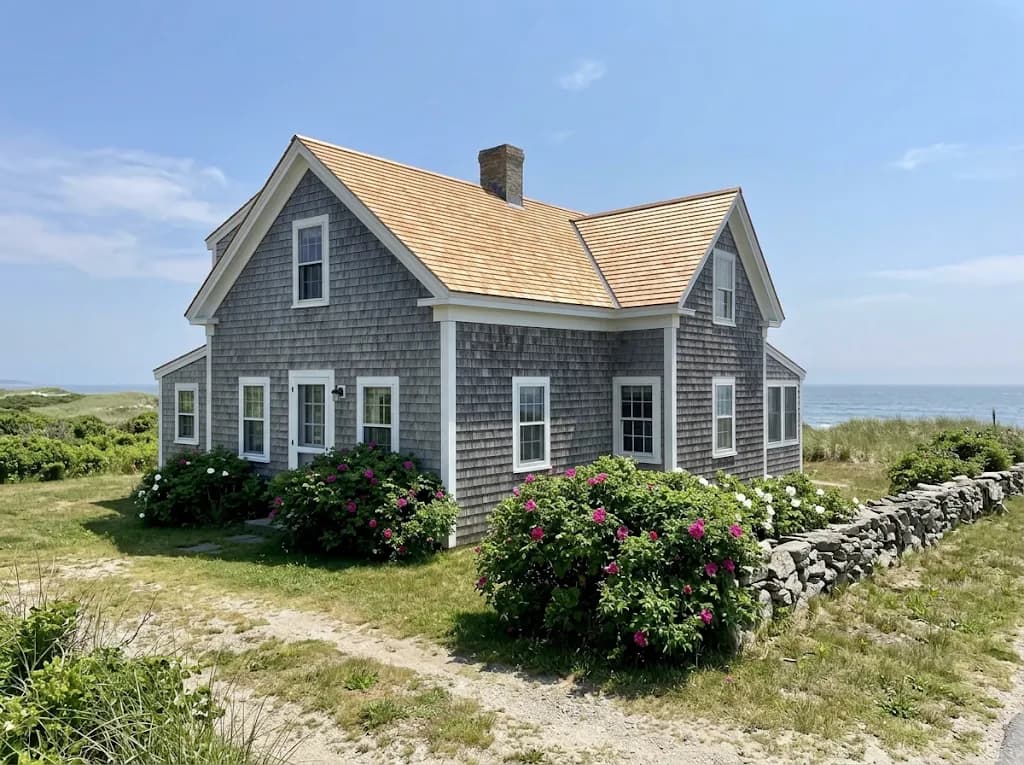
The Point and the restored colonials
Newport has one of the largest surviving collections of colonial houses in the country, helped by the Newport Restoration Foundation, which Doris Duke founded and which saved more than 80 buildings. On the Point, the waterfront neighborhood north of downtown, the foundation owns about 27 restored colonial houses and rents them to tenants. Restorations like these set the standard for roofs across the older parts of the city: wood shingles, simple details and materials suited to an 18th-century house.
Cottages and the shingle style
In the late 1800s Newport’s summer cottages helped define the American shingle style, with roofs and walls wrapped in cedar. Replacing those roofs is specialist work; see cedar shingle roof replacement.
Salt, wind and approvals
- Use stainless or hot-dipped galvanized fasteners and copper or stainless flashing.
- Cedar needs to dry out: ask about breathable underlayment or a ventilation mat.
- Hurricane Bob made landfall in Newport in 1991; sealed edges and high-wind nailing matter here.
- Inside the local historic district, settle the material with the commission before the permit.
Colonial, cottage or Cape in Newport? Call a roofer who works on the island.
Mon–Fri 8:30 am–7 pm · Sat 9 am–4 pm (Eastern)
Newport roof questions
+Do I need Newport Historic District Commission approval for a new roof?
If your property is inside Newport's local historic district, exterior changes such as a different roofing material generally need the commission's approval before a building permit. Replacing like with like is usually simpler. Check with the city's planning office first.
+What roofing material is typical on Newport's colonial houses?
Wood shingles are traditional on the 18th-century houses of the Point and Historic Hill, and many have been replaced over the years with cedar or with asphalt in a similar color. The right choice depends on the house and on the commission.